Backyard Saunas in Pennsylvania: costs, requirements, and whether it’s worth it

A practical, local-first guide for homeowners considering an outdoor infrared or traditional sauna—covering real installed costs, space/electrical basics, and the common mistakes that add thousands.

No pressure. If you qualify, you can book directly with an installation specialist.

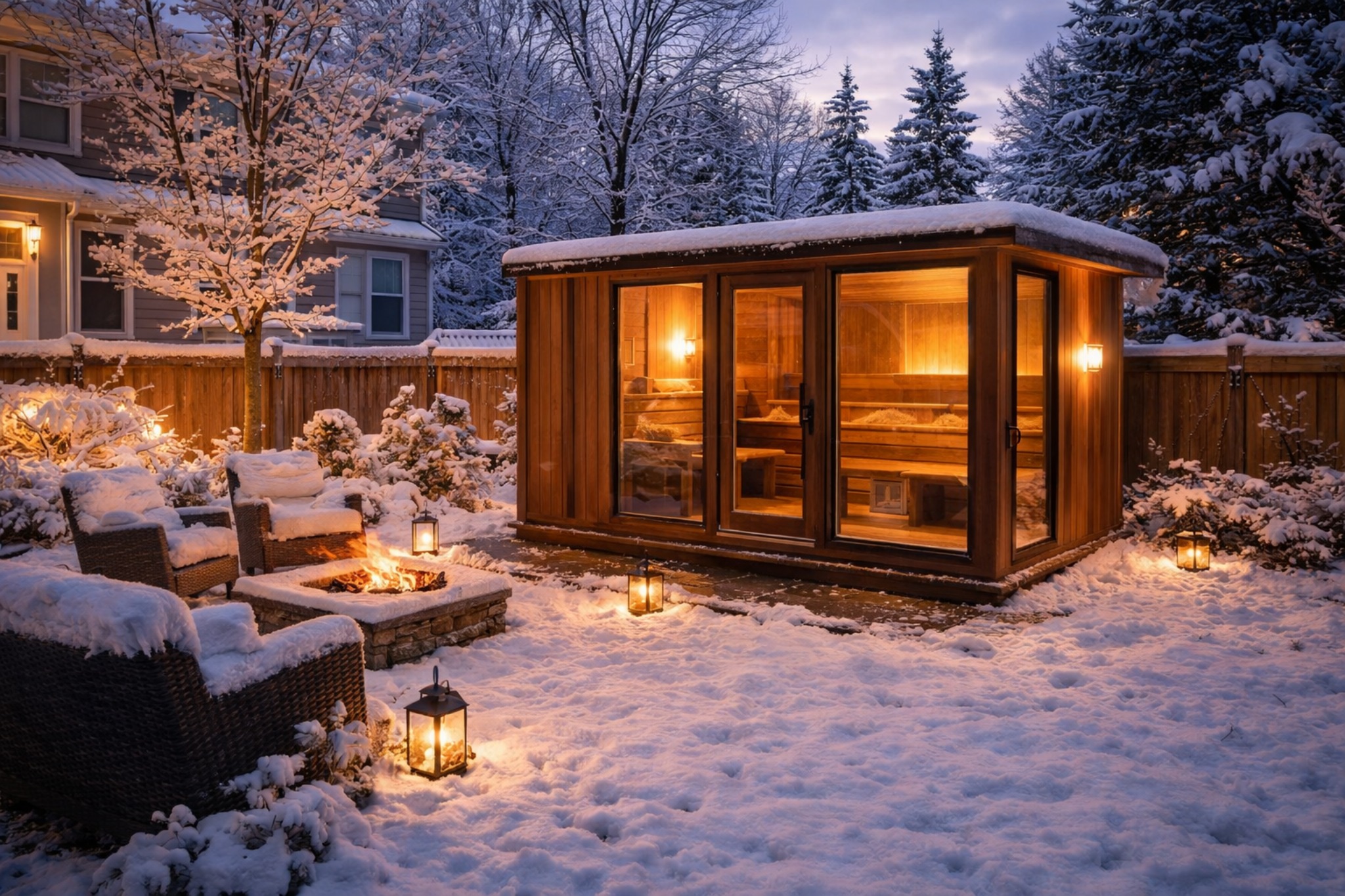
Luxury backyard sauna in a snowy Pennsylvania yard
Snowy PA installs Infrared vs Traditional Real installed pricing

What is a backyard sauna?

Backyard saunas are standalone sauna units installed outdoors—commonly on a pad, pavers, or a deck. Most homeowners choose between infrared and traditional hot-rock saunas depending on heat preference, warm-up time, electrical needs, and budget.

  • Infrared: lower temperatures, quick sessions, simpler setup for many homes
  • Traditional: higher heat, steam option, more “classic sauna” feel
  • Common styles: barrel, cabin, or custom enclosure

Real installed costs (what most homeowners should expect)

Installed cost varies based on sauna type/size, electrical work, and site prep. In PA, a reasonable starting expectation is:

  • Entry installs: $4,000–$6,000
  • Most common installs: $7,000–$10,000
  • Premium/custom installs: $12,000+

Buying an online kit without planning electrical/site prep often leads to surprise costs later.

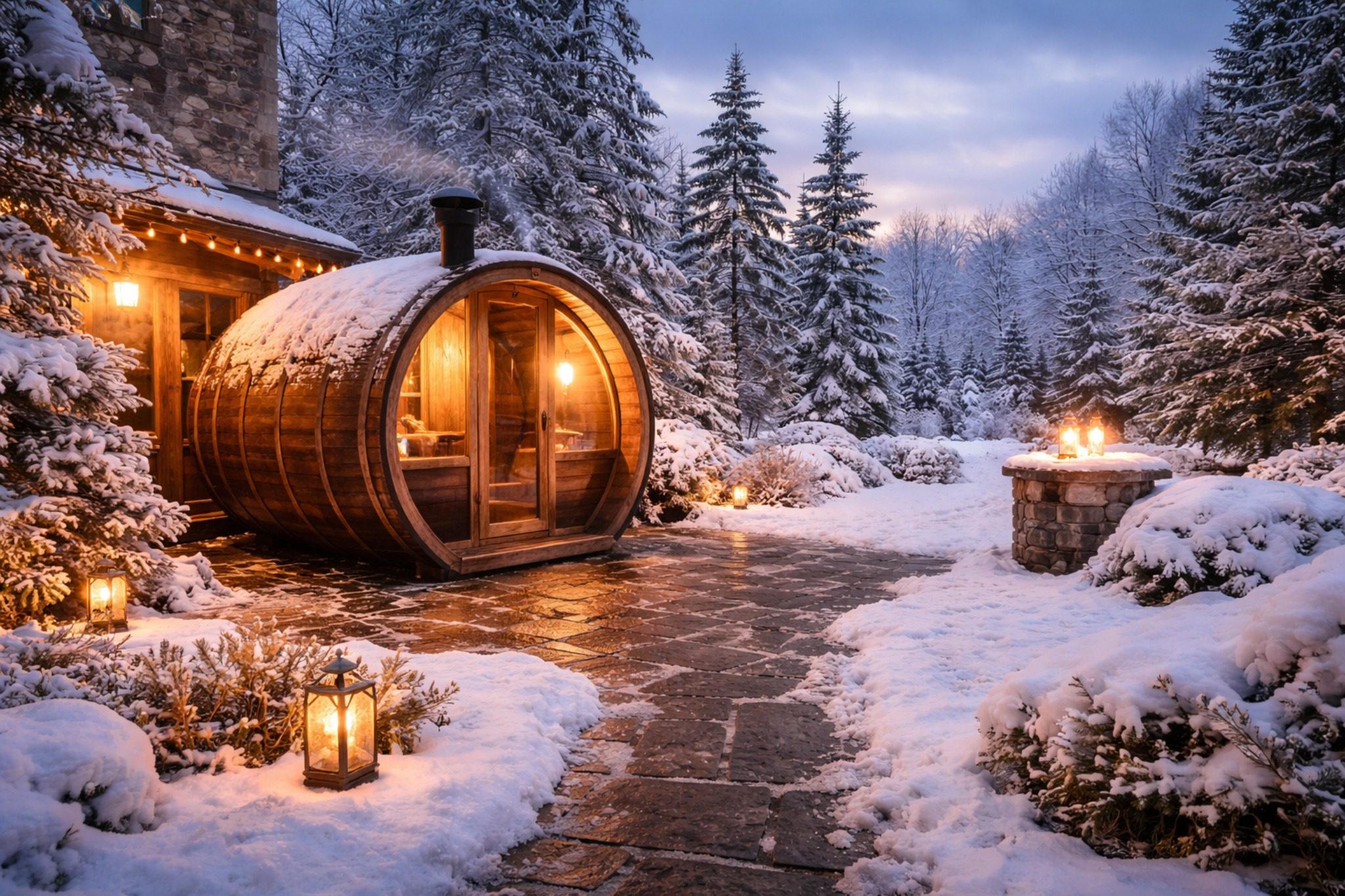
Backyard sauna close-up in winter

What’s required to install a backyard sauna?

  • Flat surface (concrete pad, pavers, or suitable deck)
  • Electrical connection (requirements vary by sauna type)
  • Clearance/access to move the unit into place
  • HOA/zoning considerations (if applicable)

Common homeowner mistakes

  • Choosing a sauna type that doesn’t match how they’ll use it
  • Underestimating electrical work and access requirements
  • Not considering HOA rules until after purchase
  • Skipping a quick consult and paying for it later

Frequently asked questions

Backyard sauna winter aesthetic
Do I need a concrete pad?
Not always. Many installs work on pavers, a reinforced deck, or a compacted gravel base. The right base depends on weight, drainage, and how level the area is. A specialist can usually tell you quickly from a few photos and measurements.
Infrared vs traditional: which is better?
Neither is “best” universally. Infrared tends to be easier for frequent shorter sessions and often has simpler electrical. Traditional delivers higher heat and a classic experience (with optional steam). Your preference + electrical/site constraints usually decide.
What about electrical requirements?
It varies by unit and size. Some smaller infrared saunas can run on standard circuits, while many larger units (and most traditional heaters) require dedicated power and professional electrical work. On the consult, ask what your exact model needs.
Will winter weather hurt the sauna?
Quality outdoor saunas are built for weather, but performance depends on insulation, door sealing, roof design, and maintenance. In PA winters, a well-built unit should still perform—expect slightly longer warm-up if it’s very cold.
How long does installation take?
Most installations are 1–2 days once the base and electrical are ready. Site prep and electrical scheduling can add time, so planning those early helps.
Do I need HOA approval?
Sometimes. If you have an HOA, check exterior structure rules (setbacks, height, visibility, and electrical). Many homeowners get approval by providing a simple spec sheet + placement plan.
Can I buy a kit online and install it myself?
You can, but many people underestimate base prep, electrical, and weatherproofing. If you DIY, plan those parts first. A quick pro consult can prevent expensive rework.
What should I ask on the consult call?
Ask about total installed price range, base recommendations, electrical requirements, lead times, warranty/support, and what maintenance looks like in PA winters.

Homeowner feedback (composite examples)

These are representative “composite” examples based on common homeowner questions and outcomes—meant to show what a good consult clarifies.

★★★★★
“We almost bought the wrong unit for our power setup. The consult saved us a ton of time and we ended up with a clean install that looks like it belongs with the house.”
— Bucks County homeowner
★★★★★
“I thought we needed a full concrete pad. Turned out pavers + leveling was perfect. It looks amazing in the snow and warms up faster than expected.”
— Montgomery County homeowner
★★★★★
“The difference between infrared and traditional finally made sense after one call. We chose traditional and love the higher heat.”
— Chester County homeowner
★★★★★
“The big value was getting a realistic installed price range before shopping. Helped us avoid overpriced options and plan the electrical correctly.”
— Lehigh Valley homeowner

How the process works

  • Step 1: Read the guide and use the eligibility check.
  • Step 2: If you qualify, you’ll book directly with an installation specialist.
  • Step 3: On the call, you’ll get a realistic pricing range, base/electrical guidance, and next steps.

Want a fast “fit check” for your home?
Answer a few questions (zip, budget, timeline). If you qualify, you’ll be able to book directly with an installation specialist.

Quick comparison

Infrared
  • Lower temps, fast warm-up
  • Often simpler electrical
  • Great for frequent shorter sessions
Traditional
  • Higher heat, steam possible
  • Longer warm-up
  • Classic sauna experience

Questions?

Use the chat bubble (bottom-right) to ask about costs, types, space, HOAs, or timelines. If you want property-specific pricing, use the eligibility check.

Chatbot is added via an embed script in the page header.